Insights
08 July 2024

Many headlines are screaming about how the world is on fire, the population is getting sicker, and the hospital wait lists are getting longer. They’re right in a way. After all, how the planet has been farmed for generations is now impacting the health and well-being of people, communities, and the planet. There is an alarming rise in chronic diseases and environmental degradation tells us that our current food production systems are failing. Forward-thinking businesses are aware of the principles of Sustainable Development Goals (SDGs) such as Good Health and Well-being (SDG 3) and Life on Land (SDG 15) and they are seeking out methods to help restore those systems. This pivotal juncture requires more than just minor changes from one or two elements of the food industry. It requires a health-promoting food system driven not just by the demand of savvy consumers, but by every single element of the industry, from the soil up.
From farm to fork.
It requires a systems thinking approach.
Systems thinking is a holistic approach that examines the interrelationships and interactions between various components within a system – in this case, the food system. Unlike traditional methods that usually focus on the individual parts in isolation, a systems thinking approach means that any changes made in one part of the system can have ripple effects throughout, often in non-linear and unpredictable ways. This method is perfect for tackling complex issues, as it helps identify patterns, leverage points, and potential solutions that consider the entire system’s dynamics. This approach is crucial for creating a health-promoting food system, which is a complex, multi-layered, unique network involving numerous interconnected elements: farmers, scientists, transport & distribution, packaging, diverse ecosystems, consumers, policymakers, educators, and more.
In other words, a system that prioritises the well-being of people, communities, and the planet at every stage.
Well, the good news is that it is very much underway.
With medical waitlists at an all-time high and the vast amount of information available to the public about eating your 5 a day, people are much more aware of the impact that healthier eating and food quality can have on their overall health. UK food consumer choices are currently driven by the cost of living crisis and those seeking ways to eat more healthily and sustainably. Economic pressures have made affordability a top priority, with 87% of consumers concerned about food prices. A recent study by the Food Standards Agency indicates awareness of environmental and ethical issues within the food industry, with 68% of UK consumers concerned about animal welfare, 68% prioritising sustainability in their food choices, and 73% of consumers choosing food for health benefits. This data illustrates a strong influence on purchasing behaviour. If consumers are seeking foods that are sourced ethically and sustainably from the food industry, this collective action can, in turn, give the food industry a gentle reminder about their societal responsibilities.
However, as consumers are squeezed financially, and farmers are hit by the soaring costs in a post-COVID world, it can be a balancing act to stay profitable and be responsible at the same time.
We need to rethink how we produce and consume food to foster a healthier future.
It has to start with people. There are already sustainability goals set that are in place to mitigate the impact the food system has had on the planet. These goals are a UN-driven initiative designed by people.
They will be implemented by people for the people.
But it is going to take a multi-layered, multi-level systems thinking effort to meet and sustain these goals.
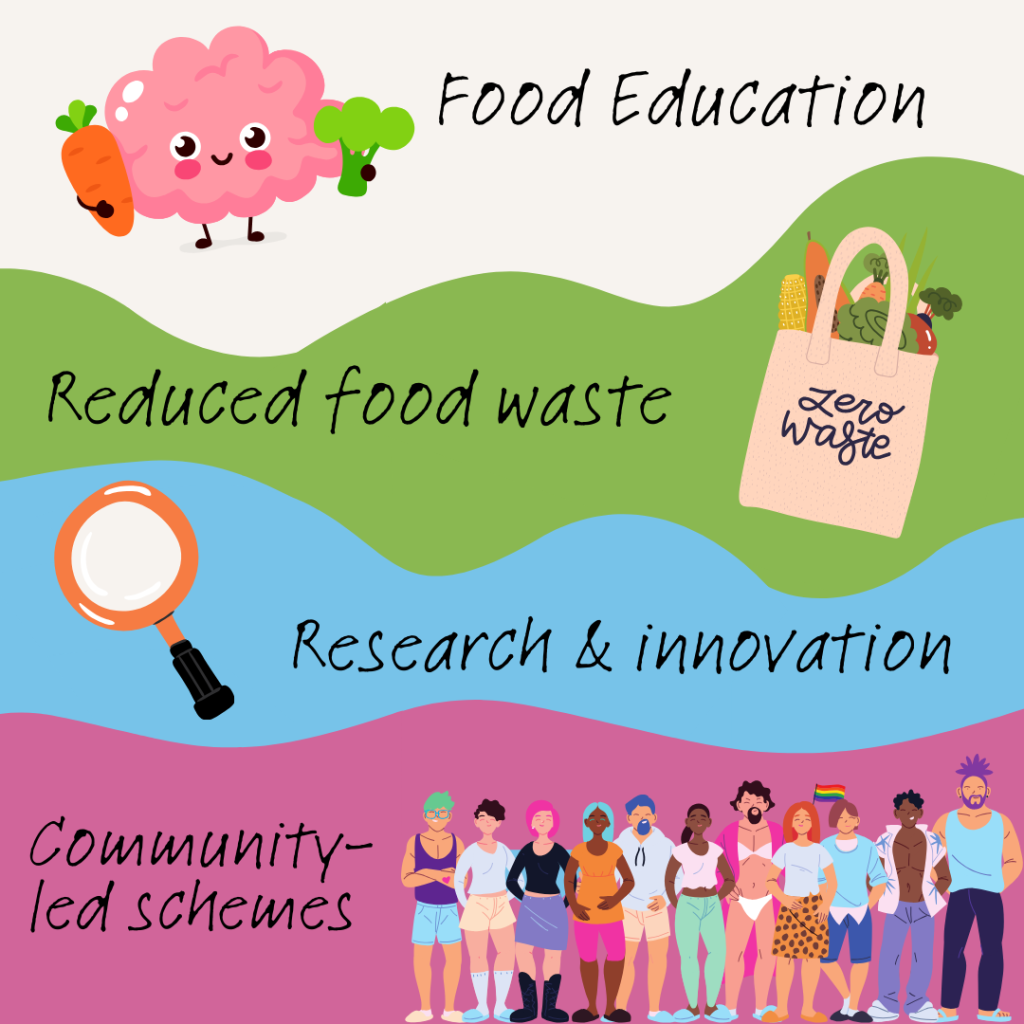
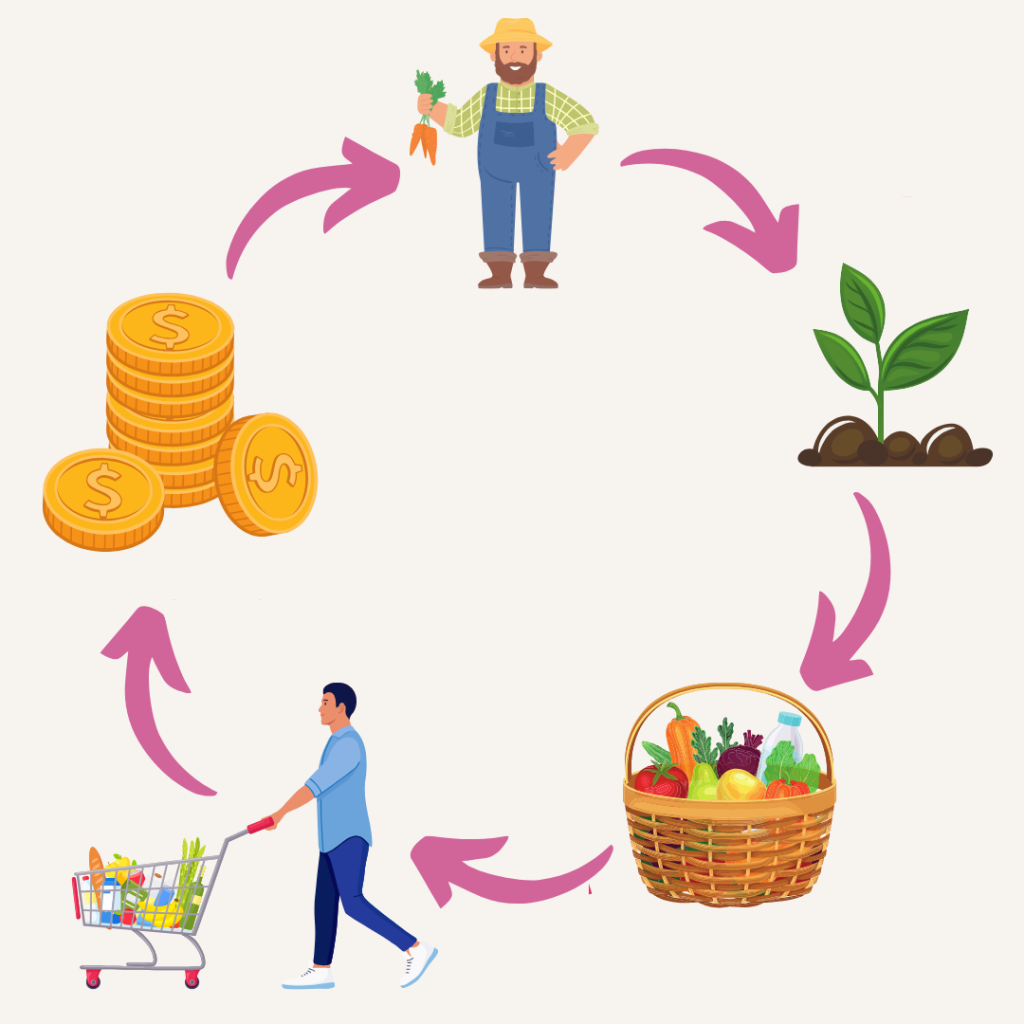
To make the change for a health-promoting food system happen, we need to create the demand in the first place. This can be done through people’s dietary choices. When people prioritise healthy, tasty, nutritious, and sustainable food, farmers will be encouraged to grow food that meets this demand.
People can’t have the food without the farmers. They want a pesticide-free farm and responsibly raised meat.
The farmers can’t grow the food without the money from the consumers.
Therefore, much like the chicken and the egg, one cannot exist without the other. Until this balance is achieved and knowledge is effectively shared within the food system, farmers will continue to grow food using traditional methods, and people will continue to grow sicker.
The time for change is now.
This behaviour shift starts with individual and community action, creating a feedback loop that transforms the entire system.
People feel good knowing their choices support their health, their community’s well-being, and the planet’s future. This is the power of a truly health-promoting food system.
It isn’t just the consumers that can create an impact. The farming community hold a critical responsibility towards people and the planet whilst trying to make a profit in a world with soaring costs. These decisions are pivotal as they contribute to a resilient food system capable of withstanding climate change, societal changes, governmental shifts and other global challenges. By adopting a systems thinking approach, farmers can better understand the interconnectedness of their practices with the broader food system.
By making these sustainable choices, farmers not only preserve the environment but also ensure the health and well-being of future farming generations. These practices maintain & restore soil health (depleted through aggressive farming due to the exploding global population and unprecedented food demand in the last 80 years) and slow down environmental degradation, as well as producing quality and nutritious food. Their sustainable actions can create positive ripple effects throughout the entire food chain, from improving ecosystem health to enhancing community well-being, thereby fostering a holistic and health-promoting food system.
We know that we have to make changes. Much like when a giant ship must change course, it requires time to work in a different direction and a different approach to the work is required for those changes to take effect. We have to consider the immediate health concerns of people but also our planet whilst being mindful of our business profit margins.
Our diets are going to change significantly again in the next decade as we move towards our sustainability goals. Regenerative and sustainable practices are key to a healthier, more resilient future for us all.
By adopting a systems thinking approach, the food industry can build a health-promoting food system that prioritises the well-being of people, communities, and the planet.
At Seeds To Thrive, systems thinking is at the core of how we operate across all our services. Due to the complexity of the food system, it is often necessary to make changes in one place which then invariably impacts the chain somewhere else. Therefore, our integrated, multilevel, systems thinking approach means that we look at the operation at each level as well as a whole entity. This proven method includes one-on-one coaching, team workshops, stakeholder group training, and consultancy/facilitation for the businesses that we work with.
Our approach not only builds resilience, promotes sustainability and boosts productivity but also carefully balances profitability with ecological mindfulness.
We are proud to work with a dedicated focus on people, places and the planet.
For more information & to see if you’re ready to make the transformative changes, please contact us HERE
With Seeds To Thrive by your side, you’re not just navigating change; you’re pioneering a movement
We deliver happiness by co-creating with you to deliver epic transformation that enables your people to flourish and your business to grow sustainably.
We help conscious businesses and people to feel appreciated, included and inspired.